
Navigating IHT Changes for Non-Doms, APR/BPR, & Pensions

The Evolving Landscape
Recent years have introduced new complexities and challenges regarding how individuals protect their estates. Key regulatory shifts impacting the market include:
Non-domiciled individuals (non-doms) are now treated as long-term residents, requiring cover for new IHT liabilities before the updated rules take effect in April 2025.
Upcoming adjustments to Agricultural Property Relief (APR) and Business Property Relief (BPR) are coming into play this April.
Historically, insurers would often require clients to wait until a legislative effective date to put policies on risk, delaying crucial protection.
A Positive Shift in the Market
Fortunately, insurers are adopting a more pragmatic and positive approach to help clients secure their financial futures ahead of time. Most notably:
Insurers are now allowing pensions to be included in IHT calculations immediately.
Clients and advisors no longer have to wait until the pension-related changes come into force in April 2027 to set up their protection.
This forward-thinking approach enables clients to address future tax liabilities today, ensuring their estate is protected without unnecessary delays.
Other Insights

Restructuring 200 Historic Life Insurance Policies
In this video, Holly Hill, Director at John Lamb Hill Oldridge, discusses a highly complex case study involving the modernisation and restructuring of a significant portfolio of historic life insurance policies.

Our Evolution: From Generalist IFA to Boutique Life Insurance Specialists
The History and Mission of John Lamb Hill Oldridge
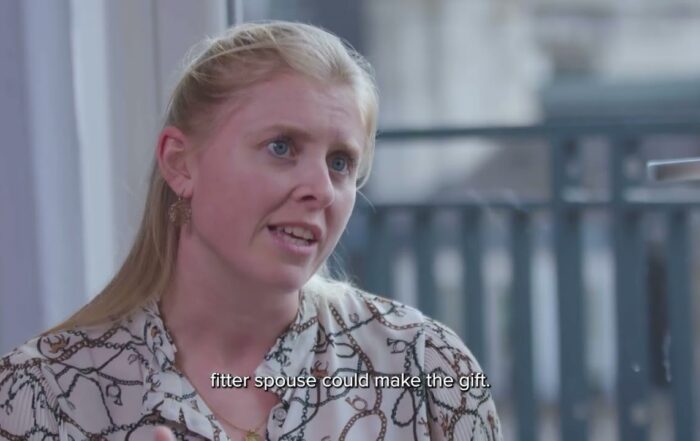
Navigating Inheritance Tax: Gift Inter Vivos & Trust Structures
In this video, Holly Hill, Associate Director at John Lamb Hill Oldridge, discusses the growing importance of "gift inter vivos" cover for individuals making significant financial gifts.